
Keep With Intention
Choose items that fit the new home, your current needs and the available storage.
The easiest item to move is the one you already decided not to take. A pre-move cleanout reduces packing, creates clearer walking paths and helps you begin the new home with fewer unwanted belongings. The key is deciding early enough that removal does not compete with moving day.
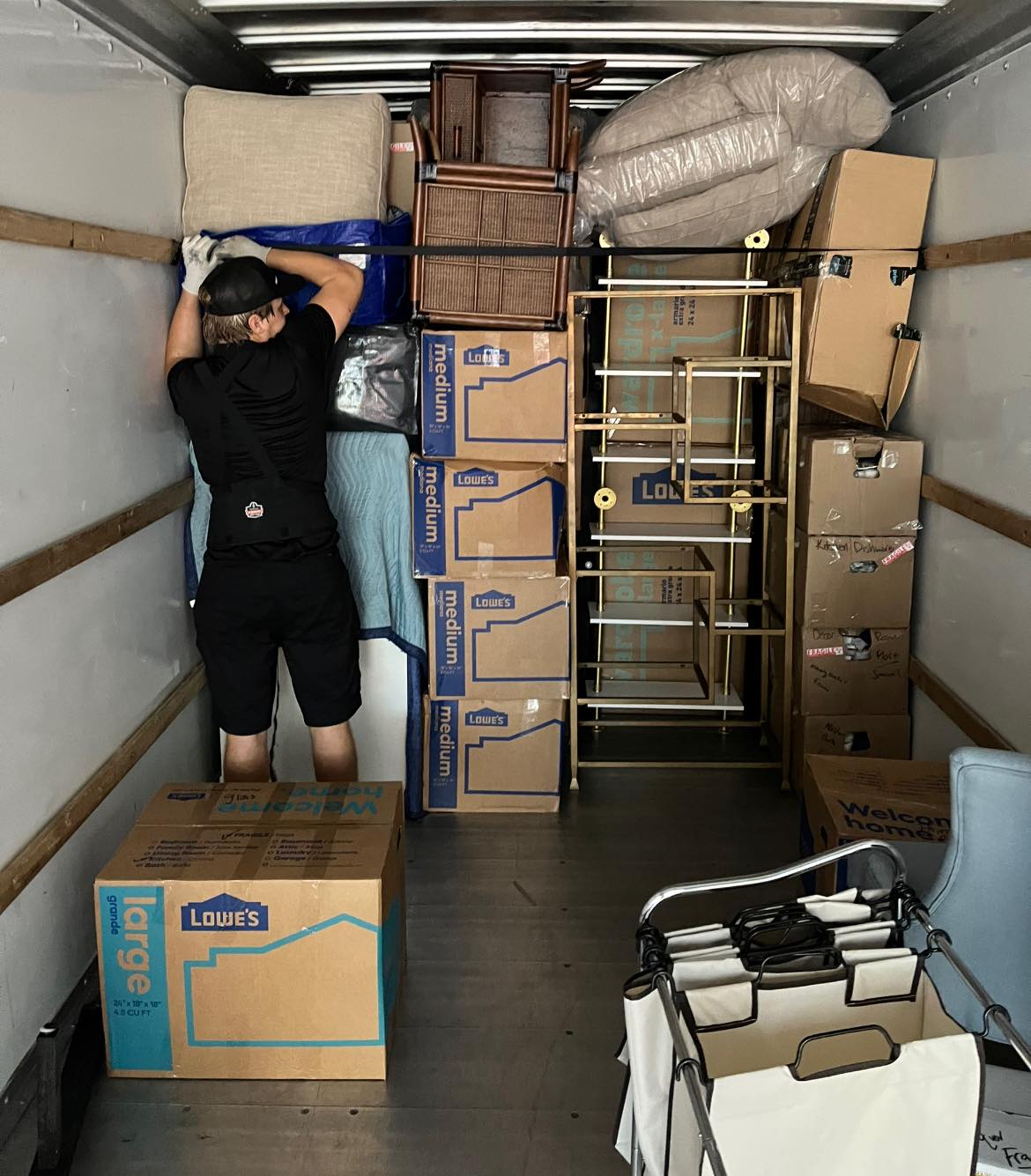
Use the destination as the filter for what comes with you. Consider room size, closet and garage storage, stairs, doorway measurements and how you want each room to function. Keeping an item because it fit the old home can create an immediate placement problem in the new one.
Label four areas: keep, donate, sell and remove. Handle each item once whenever possible. If you cannot decide, give the item a deadline rather than creating an unlimited maybe pile. Keep the categories physically separate and use colored tape or large signs so family members and crews can identify them easily.
Selling furniture can work when you begin early, use clear photos and set a pickup deadline. It becomes stressful when every unsold item remains in the moving path. Decide in advance what happens if an item does not sell by the deadline—donation, removal or moving it with you. Include pickup access in your listing so the buyer arrives prepared.
Donation organizations have different schedules and acceptance rules. Confirm what is accepted, whether pickup is available and how far ahead it must be arranged. Do not assume a donation option will take every item. Keep a backup removal plan for pieces that are damaged, incomplete or not accepted.
When requesting junk removal, send photos and a complete list. Note stairs, elevators, long carries, disassembly and unusually heavy items. Ask before including chemicals, paint, fuel, batteries or other hazardous or regulated materials; these should not be treated like ordinary household items.
The most important cleanout step is preventing confusion. Use a closed room, one side of a garage or a clearly marked wall for removal items. Do not mix donation bags with packed boxes. Walk the property with the person leading the work and confirm which items stay, move or leave before anything is loaded.
Schedule major donation pickups and removal before the main move whenever possible. This clears floor space and reduces the number of decisions happening around open doors and active loading. Save only a small final group for after the move, such as cleaning supplies or items you need during the last walkthrough.
Apply the parts that fit your move, then request a personalized plan for the route and property.
Choose items that fit the new home, your current needs and the available storage.
Keep donation, sale and removal items physically separate from the move inventory.
Avoid leaving a full cleanout for the same morning the moving crew arrives.
These answers are a starting point. Your estimate should reflect the route, access and services involved in your move.
Yes. Identify the removal items in advance and send photos so the cleanout can be reviewed as part of or around the moving plan.
Begin decisions early and schedule larger donation or removal work before the main move when possible. The timeline depends on item volume and available pickup dates.
Do not assume chemicals, paint, fuel, batteries or other hazardous or regulated materials can be included. Identify them separately and use an appropriate disposal option.
Compare services, prepare the details and choose the next step that fits your move.
Tell us where, when and what you are moving. We will take it from there.