
Start With Access
Confirm parking, elevators, gates, stairs and the path between the home and truck.
A smoother residential move is usually the result of many small decisions made before moving day. This guide walks through the details that help a Charleston move feel organized—from property access and packing to the items that should stay with you.
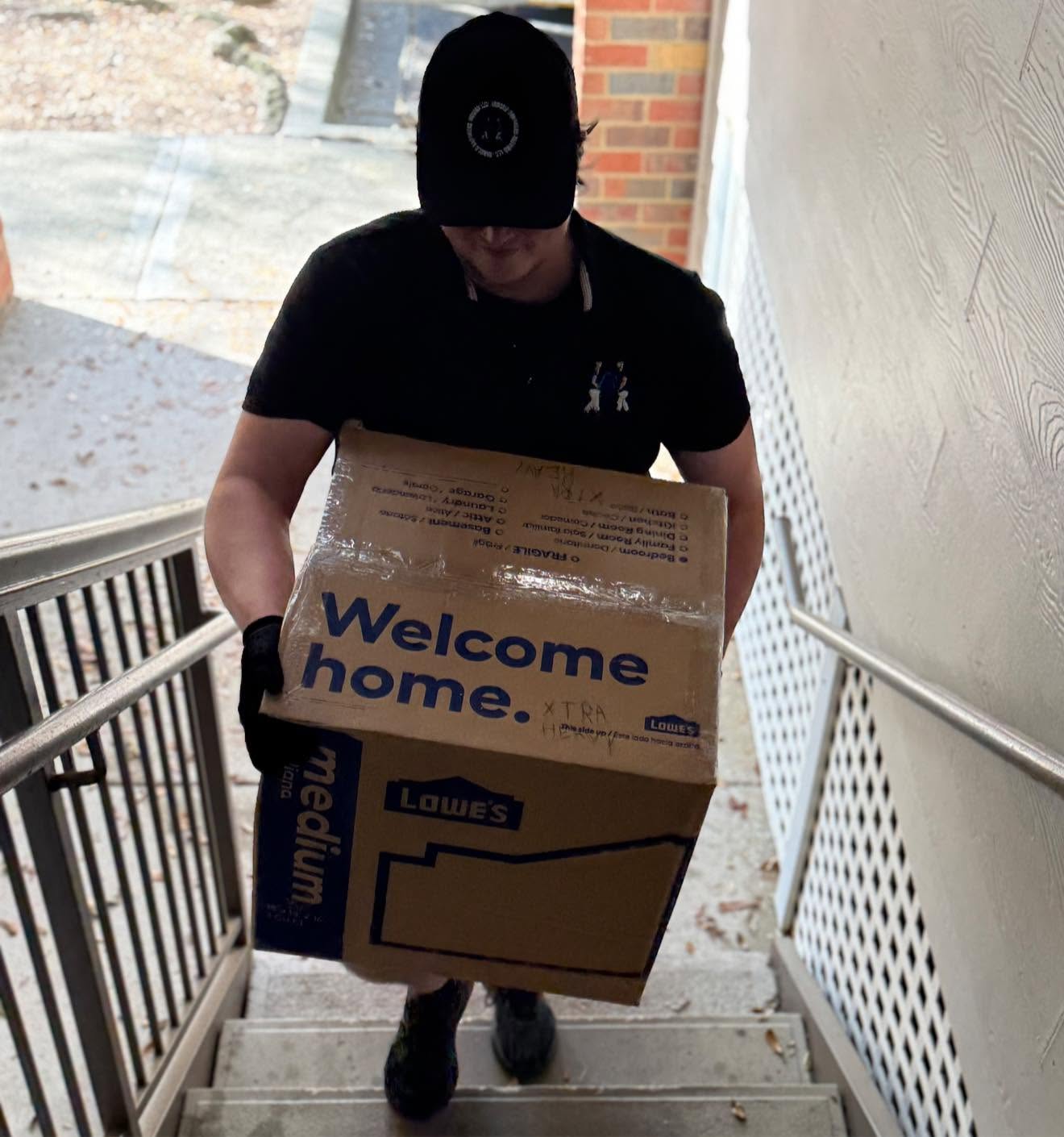
Start by writing down the pickup address, destination, preferred date, home size and the services you expect to need. Then add the details that change how the crew reaches your belongings: stairs, elevators, parking, long hallways, gates and oversized furniture. A complete starting picture makes the estimate conversation more useful and reduces the chance that an important access issue appears for the first time on moving day.
Walk through one room at a time and sort items into four groups: moving, keeping with you, donating or selling, and removing. Make these decisions before you pack. Moving an item you no longer want costs time twice—once to load it and again to find a place for it. Photograph furniture you plan to sell or remove, and keep each group physically separate so there is no confusion when the crew arrives.
Charleston-area properties can involve street parking, shared buildings, stairs, elevators, neighborhood gates and limited loading space. Contact a property manager or homeowners association when rules apply. Ask whether an elevator or loading area must be reserved and whether there are approved moving hours. Confirm the same details at the destination; preparing only the pickup address leaves half of the route unresolved.
A useful box label tells the crew where the box belongs. Mark the destination room on the top and at least one side, then add a short description such as kitchen pans or primary closet. Keep boxes at a manageable weight and use smaller boxes for books, dishes and other dense items. If packing help is part of your plan, identify what will already be finished and which rooms you want the crew to handle.
Lowcountry weather can change the pace of a move. Check the forecast as the date approaches, but prepare for heat or a quick rain shower even when the forecast looks favorable. Keep water available, protect items that should not sit in moisture, and make sure the path between the home and truck is clear of loose outdoor objects. Weather preparation is about keeping people and belongings moving safely, not trying to predict every condition.
Some belongings should remain with you rather than enter the moving truck. Pack a clearly identified essentials bag with keys, medication, identification, chargers, basic toiletries, a change of clothes, pet supplies and anything needed for the first night. Keep closing documents, valuable jewelry and irreplaceable records under your control. If children or pets will be present, plan a safe space away from doors, hallways and the loading path.
The day before the move, finish agreed packing, charge your phone, confirm property access and place keys or building fobs where they are easy to reach. Walk through every closet, cabinet, attic, garage and outdoor area. At the destination, decide which rooms will receive major furniture. A five-minute placement conversation before unloading can prevent unnecessary rearranging later.
Apply the parts that fit your move, then request a personalized plan for the route and property.
Confirm parking, elevators, gates, stairs and the path between the home and truck.
Label boxes by destination room and separate the items that travel with you.
Finish decisions early so moving day is for moving—not sorting and searching.
These answers are a starting point. Your estimate should reflect the route, access and services involved in your move.
Begin as soon as you know your likely date. Start with decisions, access and unwanted items, then move into packing. The appropriate lead time depends on the home size and how much help you plan to request.
Share both addresses, preferred date, home size, stairs, elevators, parking, gates, large items and any packing, storage or cleanout needs.
Keep identification, medication, keys, documents, valuables, chargers and first-night essentials under your control rather than placing them in the moving truck.
Compare services, prepare the details and choose the next step that fits your move.
Tell us where, when and what you are moving. We will take it from there.