
Confirm Building Rules
Ask about approved move hours, elevators, loading access and required reservations.
Apartment moves often involve fewer rooms but more rules. Elevators, stairs, loading areas, gates, lease dates and shared hallways can make access the most important part of the plan. Use this checklist to prepare both buildings before moving day.
Write down the final date and time for leaving the current unit and the earliest date and time you can enter the new one. Do not assume that lease dates create a perfect same-day handoff. If the timing does not line up, discuss storage or another transition plan before booking the route.
Ask each property manager about move-in rules. Some buildings require elevator reservations, certificates from service providers, designated loading locations or specific moving hours. Even when there is no formal policy, confirm gate access and where a truck may park. Send the approved information with your estimate request.
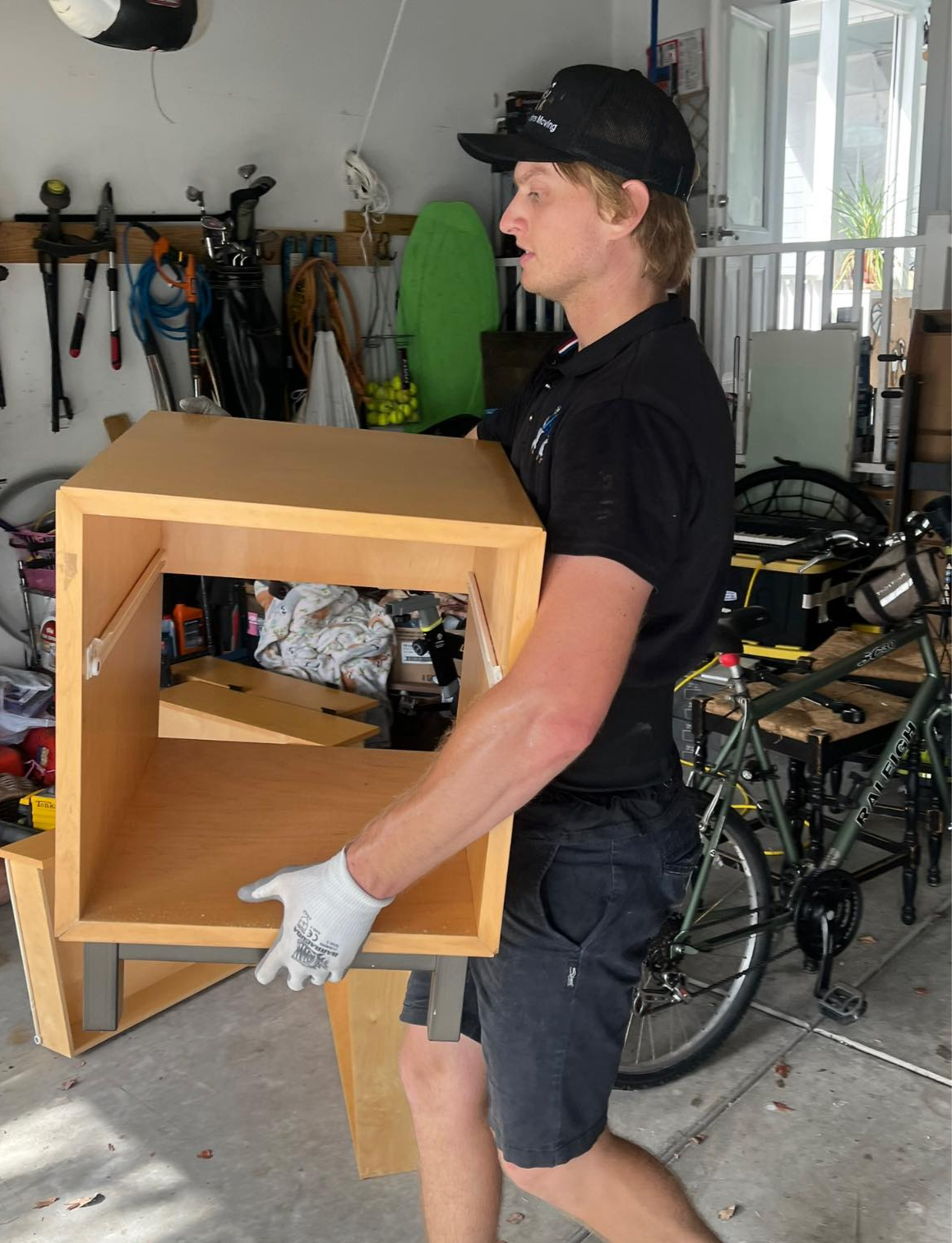
Measure oversized furniture, then measure the narrowest doorways, stair turns and elevator openings at the destination. A piece may fit comfortably in the room but not through the route leading to it. Decide in advance whether furniture will be disassembled and who will handle the disassembly and reassembly.
Small spaces become difficult to move through when boxes, donation items and loose belongings share the same floor space. Sort one zone at a time and remove items you are not taking. Stack finished boxes along a wall without blocking doors, hallways, electrical panels or the path to large furniture.
Use the destination layout—not the current layout—when labeling boxes. If the new home has only one bedroom but you are leaving a two-bedroom apartment, decide where office, guest-room and storage items will go. Clear labels help the crew place boxes once instead of creating a pile that must be moved again.
Keep doors, breezeways and stairs usable for other residents. Follow the property’s rules for propping doors and protecting elevators. If parking is likely to affect a neighbor or shared driveway, communicate early. A moving crew can work around known limitations more effectively than unexpected ones.
After loading, check every cabinet, closet, balcony, storage space and appliance area. Photograph the condition of the empty apartment according to your own recordkeeping needs, complete the property’s key-return process and keep confirmation. Do not pack the cleaning supplies, phone charger, keys or documents needed for this last step.
Apply the parts that fit your move, then request a personalized plan for the route and property.
Ask about approved move hours, elevators, loading access and required reservations.
Check large furniture against doors, stairs, hallways and the destination room.
Leave time to clean, photograph the unit and return keys correctly.
These answers are a starting point. Your estimate should reflect the route, access and services involved in your move.
Ask building management as soon as you know your likely date. Reservation rules and availability vary by property.
Yes. Apartment moves can be planned around the inventory, stairs or elevator, parking, route and services involved.
Ask property management where moving vehicles are permitted and share the parking location and carry distance before moving day.
Compare services, prepare the details and choose the next step that fits your move.
Tell us where, when and what you are moving. We will take it from there.