
Move Size
The number, size and preparation of items shape the crew and time involved.
There is no single useful price for every Charleston move. The amount of work depends on what is moving, how easily the crew can reach it, where it is going and which services are included. Understanding those factors helps you request and compare estimates more confidently.
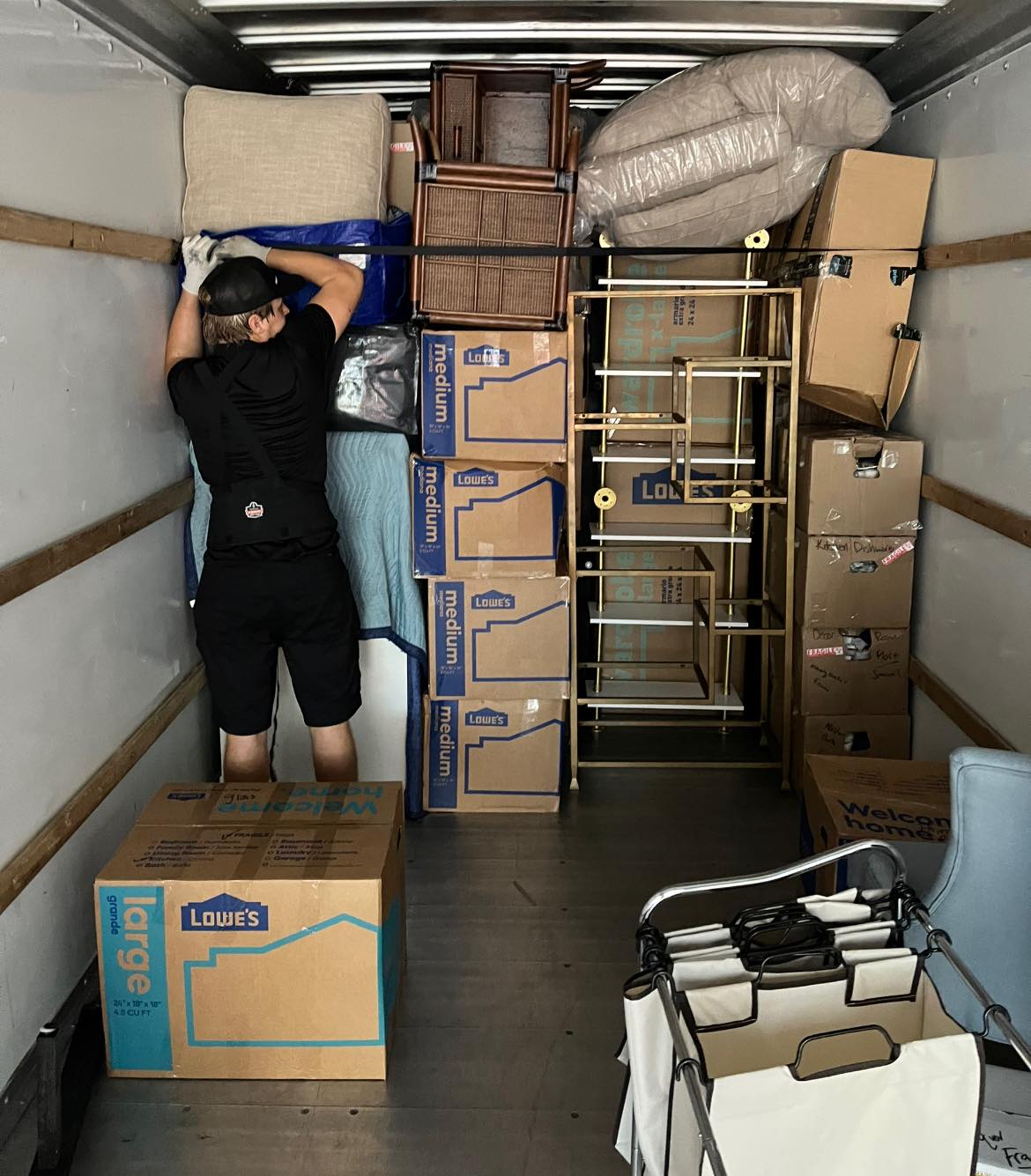
A one-bedroom apartment with a few large pieces is different from a one-bedroom apartment filled with boxes, patio furniture and a storage unit. Bedroom count helps, but it is only a shortcut. A more useful estimate includes the approximate box count, major furniture, garage or outdoor items and anything unusually heavy, fragile or difficult to disassemble.
The distance between your door and the truck matters. Stairs, elevator wait times, narrow hallways, gates, limited parking and long carries can all affect the moving process. Share access at both addresses. If a building requires an elevator reservation or limits move hours, confirm that information before requesting the final schedule.
Pickup and destination distance contribute to the plan, but route timing can also involve building access windows, keys, closings and multiple stops. If the move includes a storage unit, furniture pickup or a second residence, list every stop. A clear route helps avoid comparing an estimate for a direct move with one that includes additional work.
Boxes that are closed, labeled and ready can be handled differently from loose items that still need to be packed. Be honest about what will be finished before the crew arrives. If you want full or partial packing, identify the rooms and approximate volume. Packing supplies, preparation and unpacking should be understood as separate parts of the requested service when they are included.
Oversized furniture, safes, exercise equipment, unusually heavy pieces and fragile items may require different planning. Send photos and dimensions when possible. The goal is not to make the request complicated—it is to make sure the crew understands the item, access and destination before arriving.
Moving demand changes throughout the month and year, and individual dates can fill. Request your preferred date early and share a realistic date range if you have flexibility. Do not choose a date based only on a lower estimate if the schedule conflicts with property access, closing requirements or when you will receive keys.
A lower-looking number is not helpful if it excludes work another estimate includes. Give each company the same addresses, inventory, access and service request. Then compare what is included, how scheduling works, what information can change the estimate and what steps confirm the booking. The most useful comparison is between complete plans—not isolated headline numbers.
Apply the parts that fit your move, then request a personalized plan for the route and property.
The number, size and preparation of items shape the crew and time involved.
Stairs, elevators, parking and long carries can change how the work is completed.
Packing, storage, delivery and removal add work beyond transportation alone.
These answers are a starting point. Your estimate should reflect the route, access and services involved in your move.
The cost depends on move size, crew and time, route, property access, large items and services such as packing or storage. A personalized estimate is more useful than a generic average.
Provide both addresses, date, property size, inventory, box estimate, stairs, elevators, parking, large items and every requested service.
You may compare estimates, but give each company the same information and review the full scope, scheduling terms and services included.
Compare services, prepare the details and choose the next step that fits your move.
Tell us where, when and what you are moving. We will take it from there.